Ransomware is no longer a problem reserved for large corporations or government agencies. Small businesses, nonprofits, and professional offices are now prime targets precisely because attackers assume their defenses are thinner. That is why the ransomware prevention tips in this guide focus on practical, affordable steps any organization can put in place—no enterprise security budget required. At Jordan Tech, we help organizations of every size build the kind of layered protection that stops most attacks before they ever start.
The threat is real and growing. According to the FBI’s 2025 Internet Crime Report, internet crime drove a record $20.9 billion in reported losses—a 26% increase over the prior year—and ransomware remained among the highest reported cyber threats targeting critical infrastructure. The good news is that the ransomware prevention tips below are well within reach for the average business.
Why Ransomware Is Such a Serious Threat to Small Businesses
Ransomware works by encrypting your files and demanding payment for their release. In many modern attacks, criminals also steal a copy of your data first and threaten to leak it—so even a clean backup may not fully protect you from extortion. For a small organization, a single successful attack can mean days of downtime, lost revenue, damaged client trust, and recovery costs that dwarf any ransom.
Most attacks don’t begin with some sophisticated, movie-style hack. They begin with a single employee clicking a malicious link, a weak password, or an unpatched piece of software. That’s actually encouraging news, because it means the right ransomware prevention tips can close the most common doors attackers walk through.
How to Prevent Ransomware Attacks: Your Core Defenses
Understanding how to prevent ransomware attacks comes down to removing easy entry points and limiting the damage if something does slip through. These are the foundational layers, and they form the backbone of effective ransomware protection for businesses.
Keep Reliable, Tested Data Backups
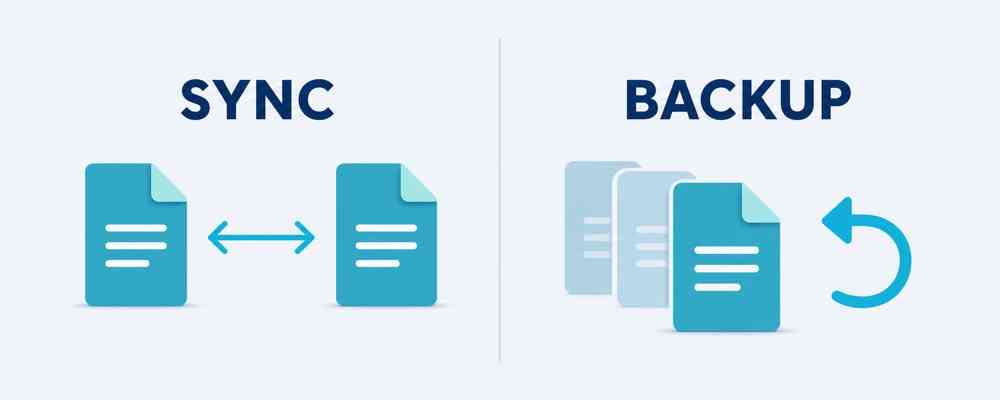
Dependable data backups are your single most important safeguard. If your files are encrypted, a clean and recent backup lets you restore operations without ever negotiating with an attacker. Follow the 3-2-1 rule: keep three copies of your data, on two different types of media, with one stored securely offsite or in the cloud. Just as important, test your restores regularly—a backup you’ve never verified is a backup you can’t count on.
Train Your Team to Recognize Phishing Emails
The vast majority of ransomware infections start with phishing emails. A convincing message tricks an employee into clicking a link or opening an attachment, and the malware does the rest. Ongoing security awareness training—paired with simulated phishing tests—turns your staff from your biggest vulnerability into your first line of defense. Teach your team to slow down, verify unexpected requests, and report anything suspicious without fear of blame.
Require Multi-Factor Authentication
Multi-factor authentication (MFA) is one of the highest-impact, lowest-cost protections available. Even if an attacker steals a password, MFA blocks them at the door by requiring a second verification step. Enable it everywhere it’s offered—email, remote access, financial systems, and especially administrator accounts. If you do nothing else this week, turning on multi-factor authentication is the move.
Strengthen Your Endpoint Security
Every laptop, desktop, and mobile device is a potential entry point, which makes endpoint security essential. Modern protection goes well beyond traditional antivirus, using behavior-based detection to catch ransomware as it tries to execute. Combine managed endpoint security tools with consistent monitoring so threats are spotted and contained quickly—often before an employee even notices anything is wrong.
Patch and Update Everything—Promptly
Attackers actively scan for known software flaws that haven’t been fixed. Keeping operating systems, applications, and network devices fully updated removes those openings. Automating patch management ensures nothing slips through the cracks, and it’s one of the simplest ransomware prevention tips to maintain once it’s set up properly.
Ransomware Protection for Businesses: Building Layered Defenses
No single tool stops every attack, which is why serious ransomware protection for businesses relies on layers. Think of it like securing a building: you wouldn’t rely on the front door alone. You’d add locks, alarms, cameras, and lighting so that if one layer fails, others still hold.
The problem: Many small organizations rely on a single, aging antivirus program and assume they’re covered.
The impact: When that one layer fails—and eventually it will—there’s nothing behind it, and a minor incident becomes a full-blown crisis with encrypted files and halted operations.
The solution: Stack complementary defenses so each one covers the others’ blind spots.
A strong layered approach typically includes network segmentation to stop ransomware from spreading, restricted user permissions so employees can only access what they truly need, email filtering to block threats before they reach inboxes, and around-the-clock monitoring to catch unusual activity fast. Together, these measures dramatically reduce both the likelihood and the severity of an attack.
Ransomware Prevention Best Practices for Long-Term Security
Tools matter, but habits and planning matter just as much. The following ransomware prevention best practices help your organization stay protected as threats evolve—not just secure for a single moment in time.
Build and Rehearse an Incident Response Plan
Even with strong defenses, you need to know exactly what to do if an attack succeeds. A clear incident response plan defines who does what, how systems get isolated, who to contact, and how operations are restored. Just as important, rehearse it. A plan tested only during a real emergency is far less reliable than one your team has actually walked through in advance.
Apply the Principle of Least Privilege
Give every user and account only the access required to do the job—nothing more. If a single account is compromised, least privilege limits how far an attacker can move and how much they can encrypt or steal. Review permissions regularly and remove access the moment it’s no longer needed, especially for departing employees and former vendors.
Lean on Trusted Authoritative Guidance
Cyber threats change constantly, so it helps to follow established, expert sources. The federal government’s StopRansomware resource from CISA offers current, vendor-neutral guidance and checklists that complement these ransomware prevention best practices. A trusted IT partner can translate that guidance into a plan tailored to your specific systems and risks.
Putting These Ransomware Prevention Tips Into Action
Reading about security is one thing; implementing it consistently is another. Here’s a simple way to put these ransomware prevention tips into practice without feeling overwhelmed:
Start this week by enabling multi-factor authentication everywhere and confirming your data backups are running and restorable. Over the next month, schedule security awareness training, review and tighten user permissions, and verify that endpoint security and patching are managed across every device. Then, looking ahead, document your incident response plan and set a recurring calendar reminder to review your defenses each quarter.
The organizations that fare best aren’t necessarily the ones with the biggest budgets—they’re the ones that follow these ransomware prevention tips steadily and treat security as an ongoing practice rather than a one-time project.
Protect Your Business From Ransomware With Jordan Tech
You don’t have to tackle all of this alone. Putting layered defenses in place, training your team, and maintaining them over time is exactly the kind of work a dedicated IT partner handles every day—so you can stay focused on running your organization. Whether you need a security assessment, managed backups, or full-time monitoring, the right support makes it far easier to protect your business from ransomware.
At Jordan Tech, our team brings more than 55 years of combined IT experience helping businesses, nonprofits, and professional organizations across the U.S. and abroad transform their technology from a daily headache into a genuine competitive advantage. Rooted in Merrillville and Northwest Indiana, we deliver fast, plain-language, security-focused support to clients near and far.
If you’re ready to move beyond a checklist and put these ransomware prevention tips to work, we’re here to help. Contact Jordan Tech today to schedule a quick conversation about strengthening your defenses and keeping your business protected.