Last month, we walked through the warning signs your IT is holding you back—the slow systems, the cybersecurity gaps, the backups nobody trusts, the tech support that never quite resolves anything. If those red flags felt familiar, the natural next question is what changes when you actually fix them. The benefits of upgrading business IT aren’t theoretical, and they aren’t just for big enterprises. At Jordan Tech, our team brings more than 55 years of combined IT experience helping businesses, nonprofits, and professional organizations across the U.S. and abroad transform their technology from a daily headache into a genuine competitive advantage. The improvements are concrete, measurable, and often pay for themselves faster than most owners expect.
Why the Benefits of Upgrading Business IT Matter Now
Technology isn’t standing still, and the gap between organizations running on modern, well-managed IT and those still patching together legacy systems widens every year. Cyber threats are more sophisticated. Customer expectations are higher. Employees expect to work productively from anywhere on any device. Falling behind isn’t just inconvenient—it’s a slow erosion of competitiveness. The good news is that catching up doesn’t require ripping everything out and starting from scratch. Most organizations see significant gains by addressing two or three key areas first, then building from there.
Productivity Gains from Business IT Improvements
One of the first benefits of upgrading business IT that owners notice is how much faster their team actually gets work done. Fast machines that boot in seconds. Apps that open without delay. Files that sync the moment you save them. Wi-Fi that just works. None of these feel revolutionary in the moment, but the cumulative effect across a workday is enormous. Small frictions—waiting on slow systems, rebooting frozen applications, hunting for missing files—add up to hours of lost output per employee per week.
Modernizing the basics also has a morale effect that’s hard to overstate. Teams stop dreading their tools. New employees onboard faster. People stay engaged because the work itself, not the technology around it, is what consumes their attention. Productivity gains from business IT improvements compound quietly, and most owners only realize how much was being lost once it stops.
Stronger Cybersecurity Protection That Actually Holds Up
One of the most important benefits of upgrading business IT is a security posture that can withstand modern threats. Layered cybersecurity protection—multi-factor authentication on every account, properly managed endpoint protection, email filtering, phishing training, and dark web monitoring—works together to dramatically reduce both the likelihood of a breach and the damage if one occurs. The Cybersecurity and Infrastructure Security Agency (CISA) publishes excellent guidance on the baseline every organization should have in place.
Strong cybersecurity isn’t a single product you buy. It’s a continuous, layered approach: technology, training, and active monitoring working together. Organizations that make this investment sleep better, recover faster from incidents, and earn more trust from clients, partners, and insurers who increasingly require proof of strong cyber hygiene.
Reliable Backups and Recovery You Can Trust
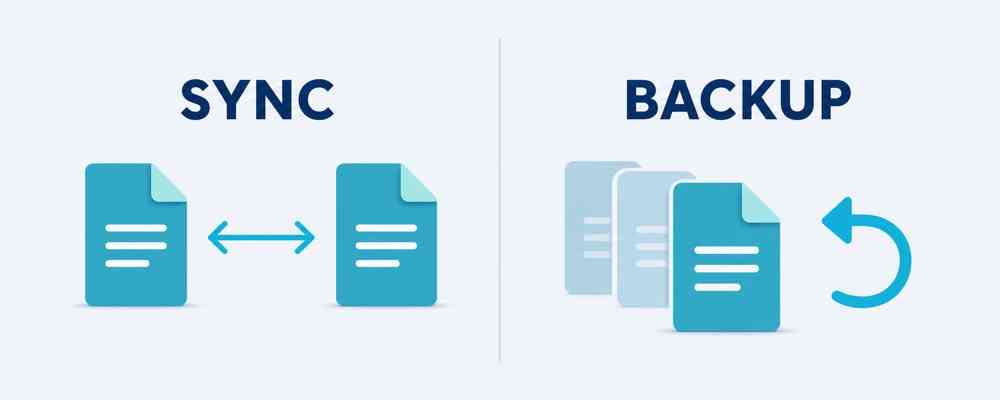
A modern, properly tested backup strategy is one of the highest-leverage benefits of upgrading business IT. The right setup includes automatic backups, multiple copies, offsite or cloud storage, and regular restore testing so you actually know recovery works before you need it. When ransomware hits or a server fails, the difference between an organization with reliable backups and one without is measured in hours of mild inconvenience versus weeks of crisis—and sometimes permanent damage. The peace of mind alone justifies the investment.
Managed IT Services Benefits Beyond the Help Desk
The managed IT services benefits most owners think of first are fast response times and friendly tech support—and those matter. But the real value runs deeper. Proactive monitoring catches problems before they cause downtime. Strategic guidance helps you make smart technology decisions instead of reactive ones. Predictable monthly costs replace surprise invoices. A dedicated team learns your environment so every interaction builds on the last one rather than starting from scratch.
Working with a managed service provider also gives you access to expertise that would be impossible to hire in-house—specialists in cybersecurity, cloud platforms, networking, and compliance, all available without the cost of full-time staff. For most small and mid-sized organizations, this is the single biggest lever they can pull to level up their IT.
Modern Business Technology That Supports Remote and Hybrid Work
Modern business technology makes it possible for your team to work effectively from anywhere—home, a client site, a satellite office, or the road—without sacrificing security or collaboration. Cloud platforms like Microsoft 365 and Google Workspace, properly configured, let people share files, run meetings, and stay in sync as if they were sitting in the same room. Mobile device management keeps company data secure even on personal phones, and VPNs give remote workers safe paths into critical systems.
The benefit isn’t just flexibility. It’s resilience. When a snowstorm closes the office or a key team member needs to travel, work continues. Recruiting opens up to candidates outside your local market. And the same tools that enable remote work improve collaboration even when everyone is in the building.
Predictable Costs and Real IT Cost Savings
Reactive IT—where every problem becomes an emergency invoice—is enormously expensive over time. Proactive, managed IT replaces that chaos with a predictable monthly cost that’s almost always lower in total. You avoid the surprise repairs, the rush hardware orders, the productivity losses from extended outages, and the catastrophic costs of a major security incident. Real IT cost savings come from preventing problems rather than solving them after they’ve already done damage.
Predictable budgeting also makes everything else easier. You can plan growth investments, forecast accurately, and stop treating IT as an unpredictable line item that always seems to come in over budget.
An IT Infrastructure Upgrade That Scales With Growth
A thoughtful IT infrastructure upgrade doesn’t just fix today’s problems—it removes the ceiling on your growth. Cloud-based systems scale on demand. Properly designed networks deliver consistent network performance even as user counts climb. Flexible licensing means you can add or reduce capacity without rebuilding. When the foundation is right, expansion becomes a quick configuration change rather than a months-long project.
This is especially valuable for organizations whose growth curves are unpredictable. Nonprofits with seasonal program surges, professional firms taking on larger clients, small businesses opening new locations—all of them benefit from infrastructure that responds quickly rather than fighting back.
Measuring the Real Impact of Upgrading Business IT Infrastructure
The impact of a well-planned approach to upgrading business IT infrastructure shows up across the organization. Employees regain hours every week they used to lose to friction. Downtime becomes a rare exception rather than a regular occurrence. Security incidents drop sharply, and when they do happen, response is faster and contained. Leaders get back the mental bandwidth they used to spend worrying about tech. And the numbers—productivity, retention, customer satisfaction, IT spend as a percentage of revenue—all start moving in the right direction.
It’s worth tracking these things deliberately. Simple metrics like average response time to IT tickets, monthly downtime hours, and the ratio of proactive to reactive IT spend will tell you quickly whether your upgrades are delivering what they should.
How to Start Capturing the Benefits of Upgrading Business IT
You don’t have to fix everything at once. The most successful upgrades start with a clear assessment of where you are today, an honest prioritization of which problems are costing the most, and a sequenced plan that tackles urgent risks first while building toward long-term stability. Whether the priority is a cloud migration, a security overhaul, a backup rebuild, or all three, a good managed service provider will guide the process—not push a one-size-fits-all package. Expect them to ask thoughtful questions about your operations, your goals, and your current pain points before recommending anything.
The biggest mistake we see is waiting too long. Organizations that know their IT is holding them back keep putting off action until a major incident forces the issue—and by that point, the cost of catching up is far higher than it needed to be.
Ready to Realize the Benefits of Upgrading Business IT?
Every month you stay with outdated, reactive, or under-supported IT, the gap between where your business is and where it could be widens. Closing that gap is genuinely achievable—usually with less disruption and lower cost than owners expect.
At Jordan Tech, we’ve helped hundreds of businesses and nonprofits across Northwest Indiana and throughout the country make this transition. Contact Jordan Tech today for a no-pressure conversation about your current setup and where the highest-impact improvements would be. Call us at (219) 756-5280 or reach out through our website—we typically respond within an hour. Better IT isn’t a luxury. It’s the foundation your business deserves.